Cloud and Systems
We analyze the differences between Remote App and Remote Desktop, two ways of teleworking with a remote desktop solution depending on how applications are accessed.
Remote App:
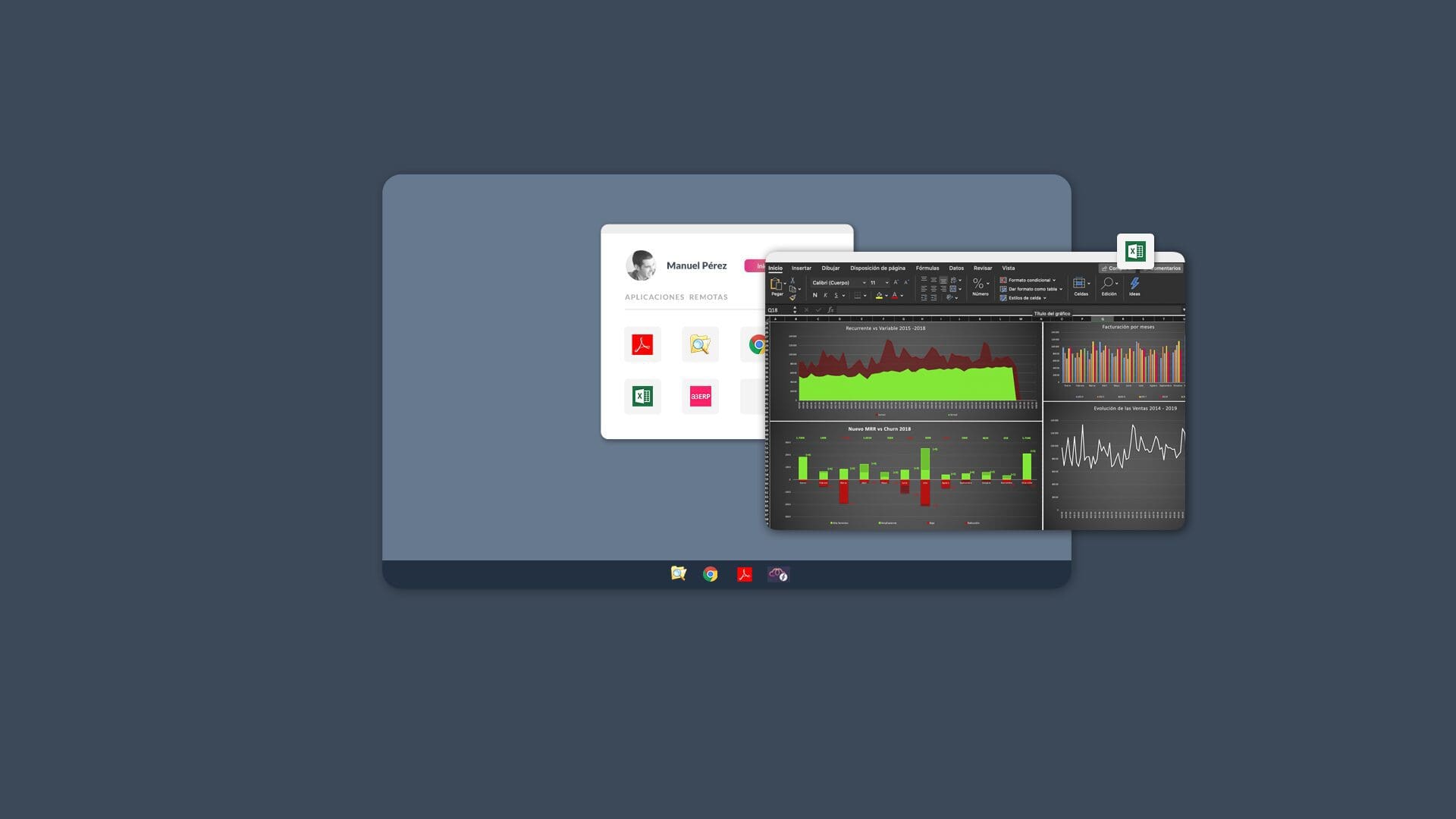
It is an application delivery solution in which the actual application is installed on a central server and used from a remote device. The Remote App service is referred to in many ways: Remote Applications, client-server applications, application virtualization or virtual applications. From an end-user perspective, Remote App (remote applications) is a fairly powerful service that allows running programs on remote devices with the feel of working locally. The integration of the applications with the local device is virtually total, allowing very common actions such as dragging applications between two monitors, resizing the program window, or using local printers.
Remote Desktop (remote desktop):
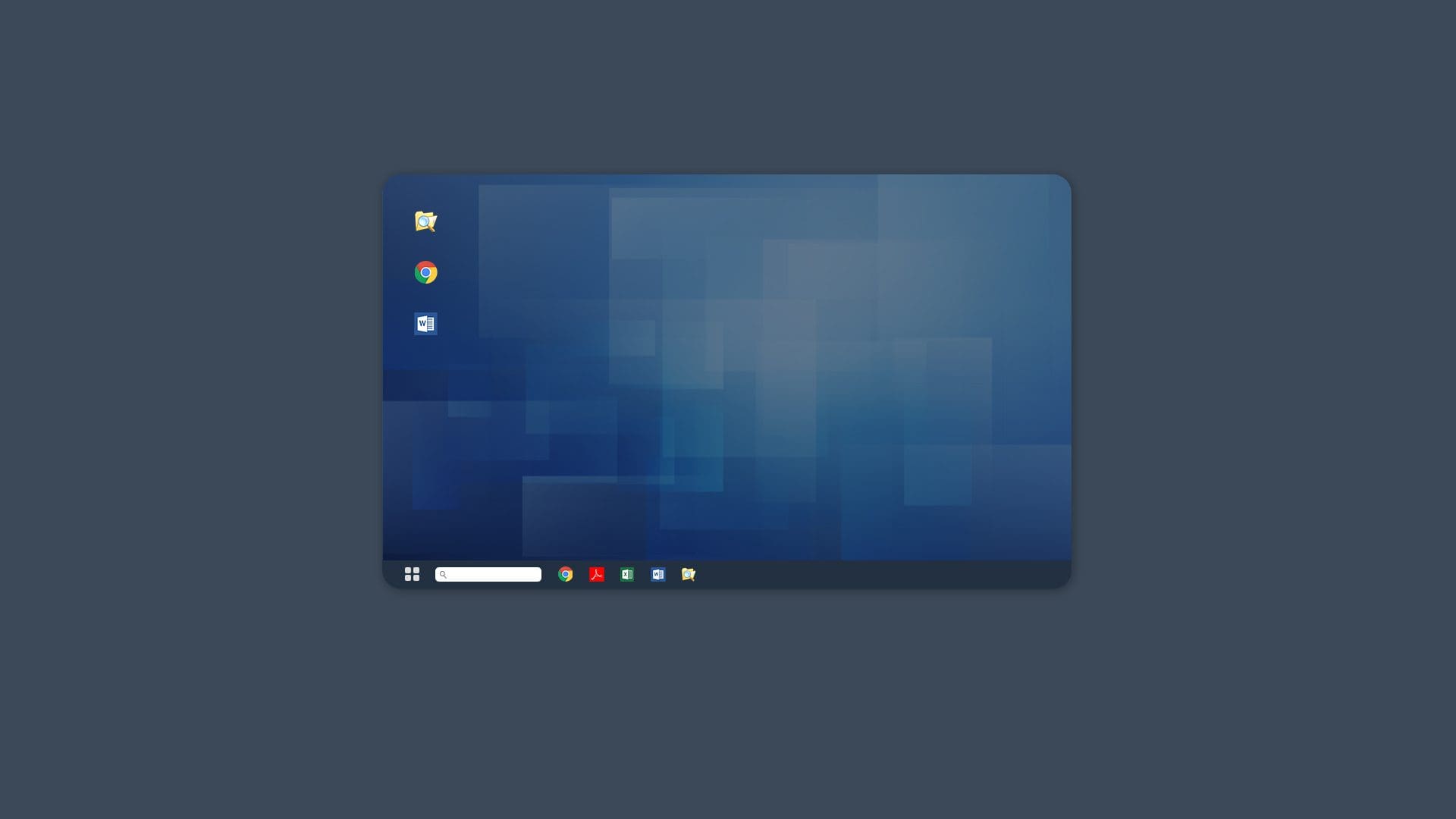
It is a solution that provides a full desktop experience to the end user, with the implications that entails. More aimed at the IT department than at a standard user, remote desktop enables end users not only to access applications but also to administer/manage the server they connect to. Through remote desktop the user can control everything, from installing applications to data storage or security policies.
Which of the two should I use in my company?
As always, it depends. It depends on who the end user is and the context in which they find themselves. If the person who will use it is a systems administrator it is very likely that they will not only need to run specific applications but will need to access the machine to administer/manage it, so the Remote Desktop solution seems most appropriate. On the other hand, if the intention is to deliver an application to end users, Remote App is probably the most suitable to meet that need. The application runs in the cloud while the user experience is delivered on the endpoint in a simple, controlled and fully integrated way. The good thing is that choosing one option or the other is not mutually exclusive. Currently there are solutions on the market that allow offering both solutions at the same time (Citrix Virtual Apps and Desktops or Jotelulu Remote Desktop for example). In this way, there are companies that provide a remote desktop to some of their workers (IT team for example), while users from other departments enjoy a more limited solution with the specific applications of their day-to-day work.

May 18, 2022
